Blue Willow China: A Timeless Classic of Love, Legend, and Elegance
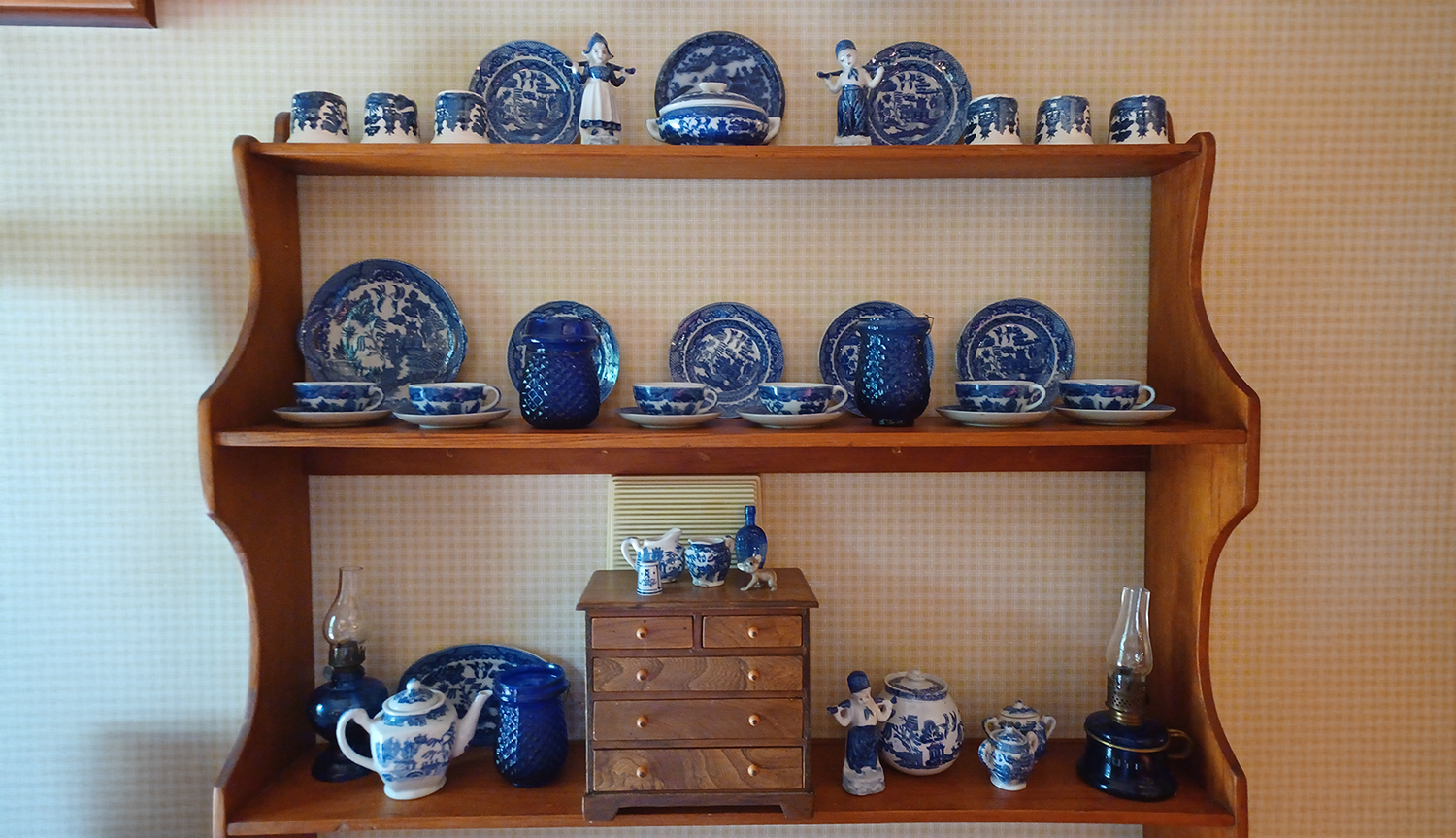
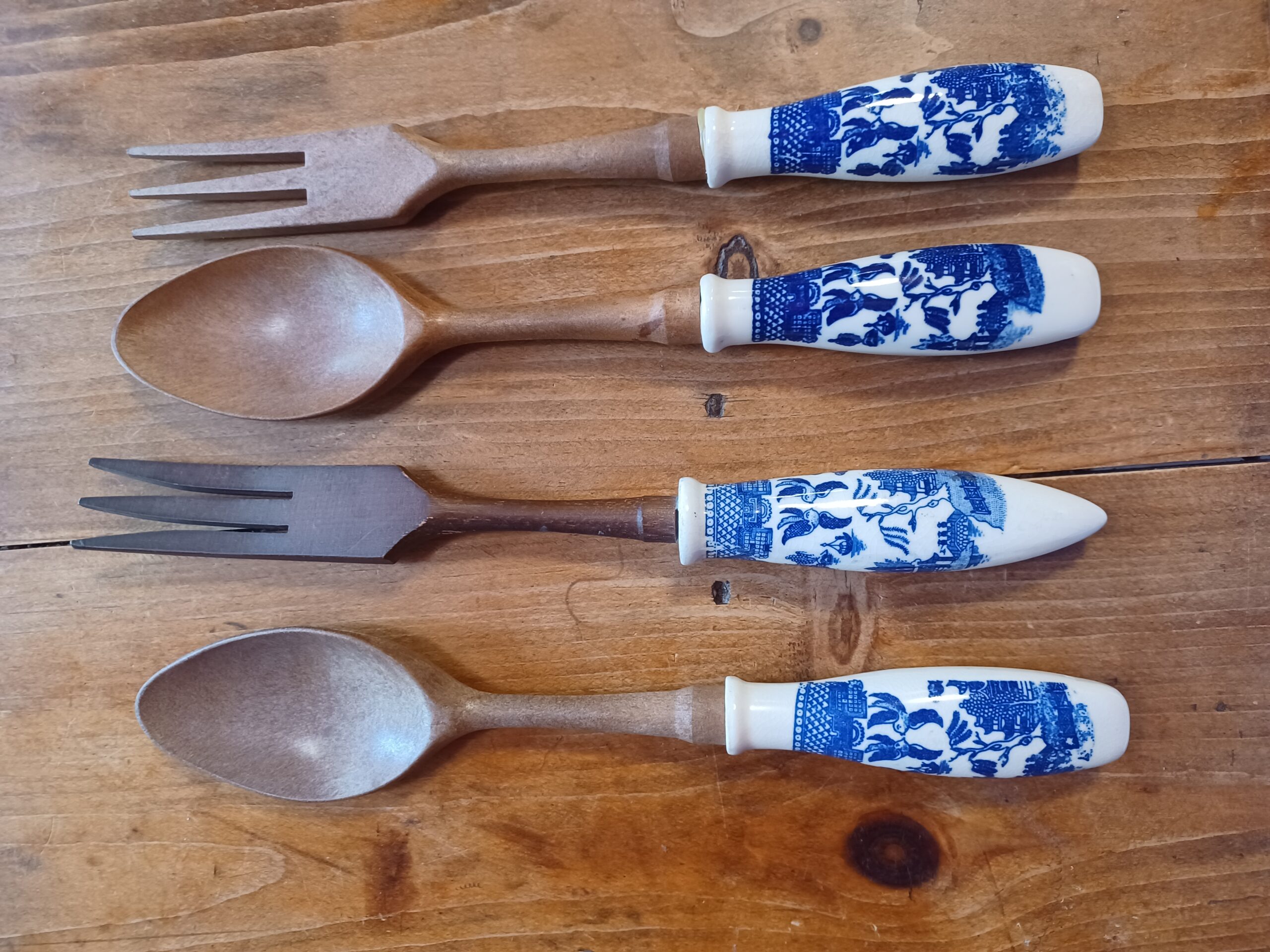
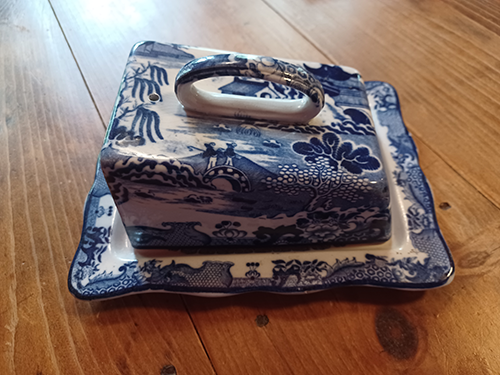
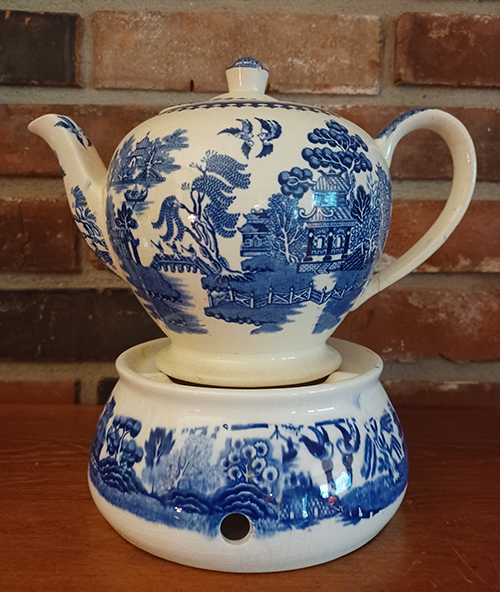
Images from Sally Thompson's personal collection
Few tableware patterns are as instantly recognizable—or as enduring—as Blue Willow china. For more than two centuries, this beloved blue-and-white design has captivated collectors, graced dining tables, and inspired stories of romance and tradition. Its timeless beauty lies not only in the striking chinoiserie design but also in the legend behind the pattern.
The Origins of Blue Willow China
The Blue Willow pattern first appeared in England during the late 18th century. At the time, European society was fascinated by Asian art and culture, a style known as chinoiserie. While authentic Chinese porcelain had been imported for centuries, Blue Willow was created specifically for European patrons.
The invention of transfer printing revolutionized production. This technique allowed potters to apply intricate designs to china quickly and affordably, rather than hand-painting each piece. As a result, Blue Willow became accessible to the growing middle class. By the 19th century, nearly every major pottery manufacturer in Britain was producing Blue Willow, with more than 400 makers in Great Britain and 500 worldwide eventually replicating the design.

The Legend Behind the Blue Willow Pattern
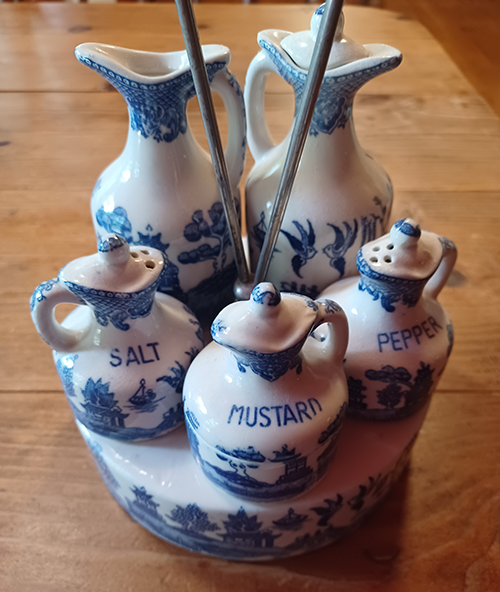
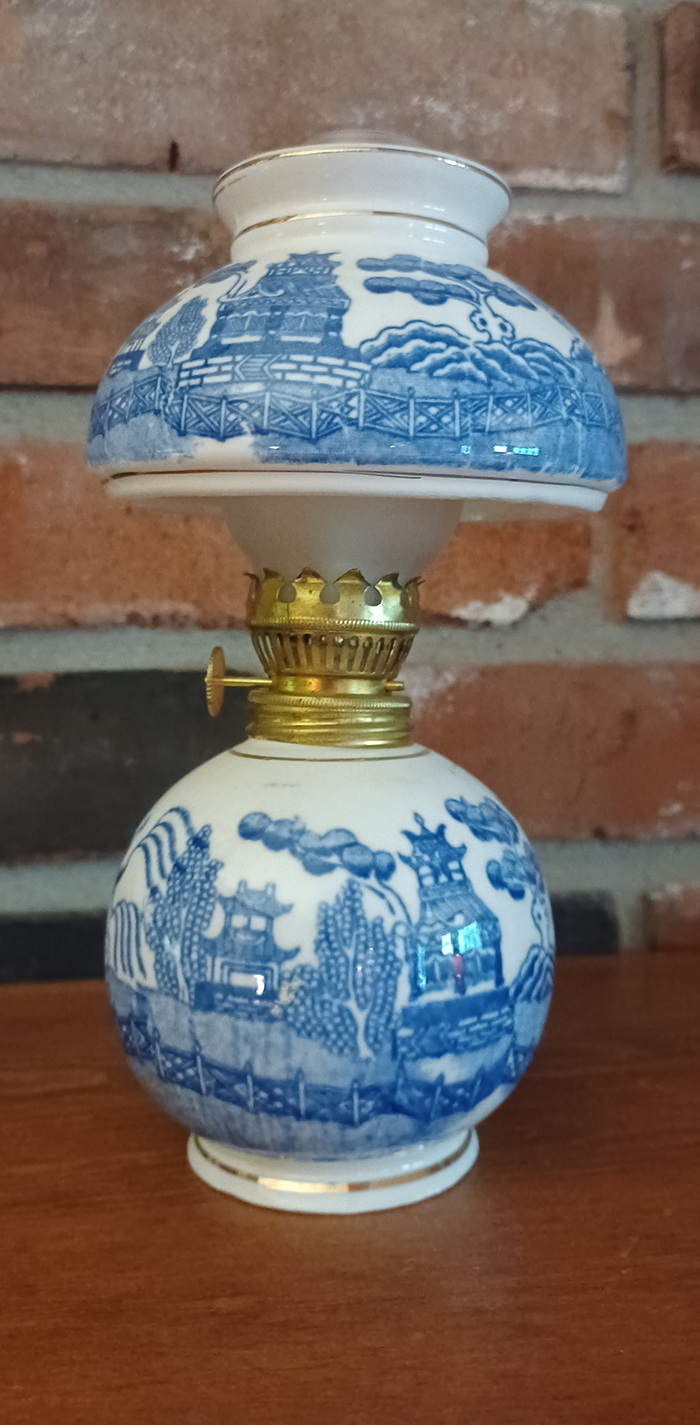
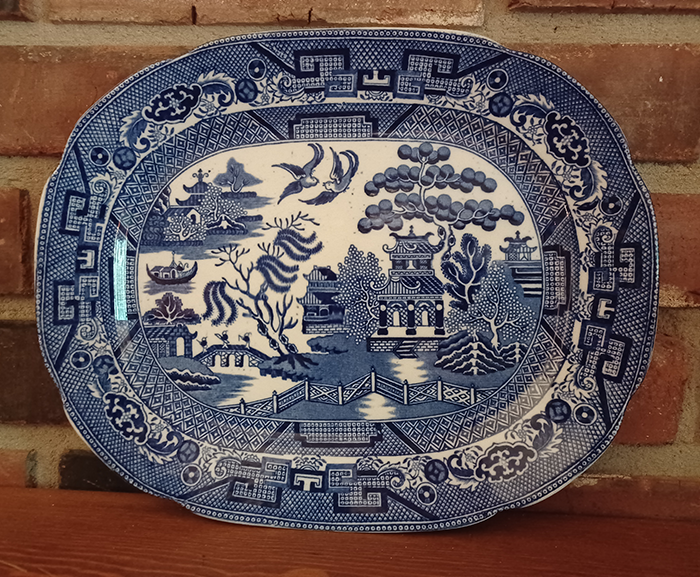
What sets Blue Willow apart from other transferware patterns is the romantic tale embedded in its design. At first glance, the pattern looks like a peaceful outdoor scene featuring a pagoda, willow tree, pine tree, bridge, boat, and two birds in flight. But these symbols tell a deeper story of forbidden love.
According to legend, a wealthy merchant named Tso Ling lived with his daughter, Kwan-se, in a beautiful pagoda. Tso Ling arranged her marriage to a wealthy suitor, but Kwan-se had already fallen in love with her father’s poor clerk. When her father discovered the affair, he locked her away.
The lovers escaped, fleeing across the water to a small cottage. Enraged, the father pursued them, intending to kill the couple. Just before tragedy struck, the gods intervened, transforming the lovers into two turtle doves who could remain together forever.
This tale of star-crossed lovers has inspired plays, poems, and countless artistic interpretations. In the Blue Willow pattern, the two birds in flight symbolize Kwan-se and her beloved, eternally united.
Distinctive Features of Blue Willow China
While there are many variations, most Blue Willow pieces include these classic motifs:
-
Willow tree – symbolizing sorrow and beauty
-
Pine tree – representing longevity
-
Pagoda – the merchant’s home
-
Bridge with three men – the lovers and the father in pursuit
-
Boat – the couple’s escape
-
Fence – a symbol of restriction or boundaries
-
Two doves – the transformed lovers in eternal flight
These repeating elements make the pattern recognizable whether it appears on a simple dinner plate or an ornate serving platter.
Blue Willow in Everyday Life
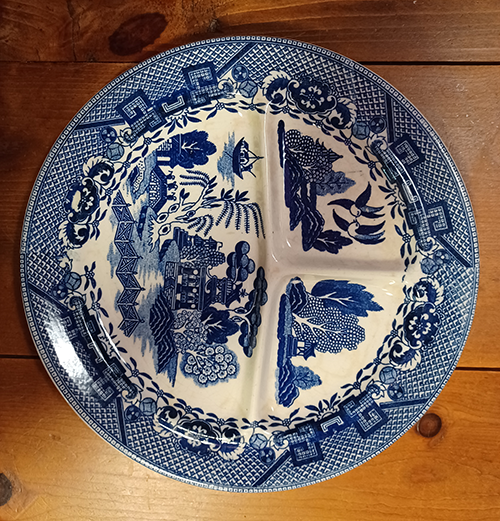
Blue Willow china wasn’t just admired for its looks—it was also durable and practical. In the United States, its popularity surged during the 1920s and 1930s. Many restaurants served the famous “Blue Plate Special” on Blue Willow grill plates. These plates, with divided sections for entrées and sides, became a cultural icon during the Depression era, offering affordable meals to working families.
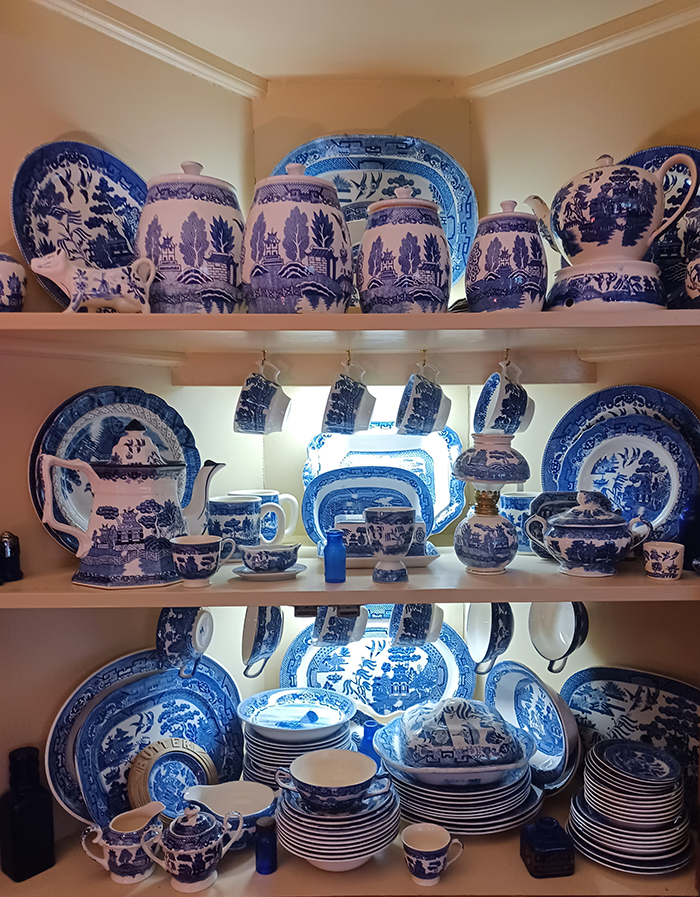
Collectors today prize these grill plates as much as teapots, platters, and full dinner sets. They reflect the everyday use of Blue Willow as much as its decorative charm.
Why Blue Willow Endures
The continued popularity of Blue Willow can be traced to three key factors:
-
Timeless color scheme – The crisp blue-and-white palette complements both casual and formal table settings.
-
Durability – Blue Willow pieces were built for everyday use and often survive decades in excellent condition.
-
Romantic symbolism – The story of Kwan-se and her lover adds depth, making each piece more than just functional tableware.
When mixed with other blue-and-white transferware, Blue Willow creates a stunningly cohesive and elegant table. Whether used daily, saved for special occasions, or displayed as part of a collection, the pattern never feels outdated.
A Classic Worth Collecting
From its origins in 18th-century England to its role in Depression-era diners and modern-day homes, Blue Willow china has proven itself as much more than a passing trend. Each piece carries a sense of history, a romantic legend, and a timeless aesthetic that continues to inspire collectors and homemakers alike.
Blue Willow is more than just china—it’s a story told in porcelain. With every plate and teacup, the timeless tale of forbidden love and enduring devotion is preserved, making Blue Willow a pattern worth cherishing for generations to come.
If you're looking to add to your collection, check out my eBay store ebay.com/usr/granitemom48
Sally has a passion for collecting and organizing Antique and Vintage shows. To become a vendor contact Sally Thompson at Granitemom@aol.com or call 913-488-3306
Antique Postcard Sells at Ebay
Some of the text content has been rewritten by AI.
Written by: Mary White
Related Articles
Related