Antique Doll Collections:
Preserving Childhood, Fashion, and History
Antique dolls are much more than beautiful objects displayed on a shelf. They are miniature records of childhood, fashion, craftsmanship, and changing social customs. From delicately painted bisque faces and carefully styled wigs to handmade dresses, bonnets, shoes, and undergarments, every doll has a story to tell.
For many collectors, the attraction begins with a doll’s face. A gentle expression, bright glass eyes, rosy cheeks, or a slightly worn costume can create an immediate emotional connection. Some dolls remind us of childhood toys, while others inspire curiosity about the children who may have once owned them. Whether a collection contains valuable European bisque dolls, American composition dolls, cloth dolls, baby dolls, or later porcelain examples, each piece contributes something different.
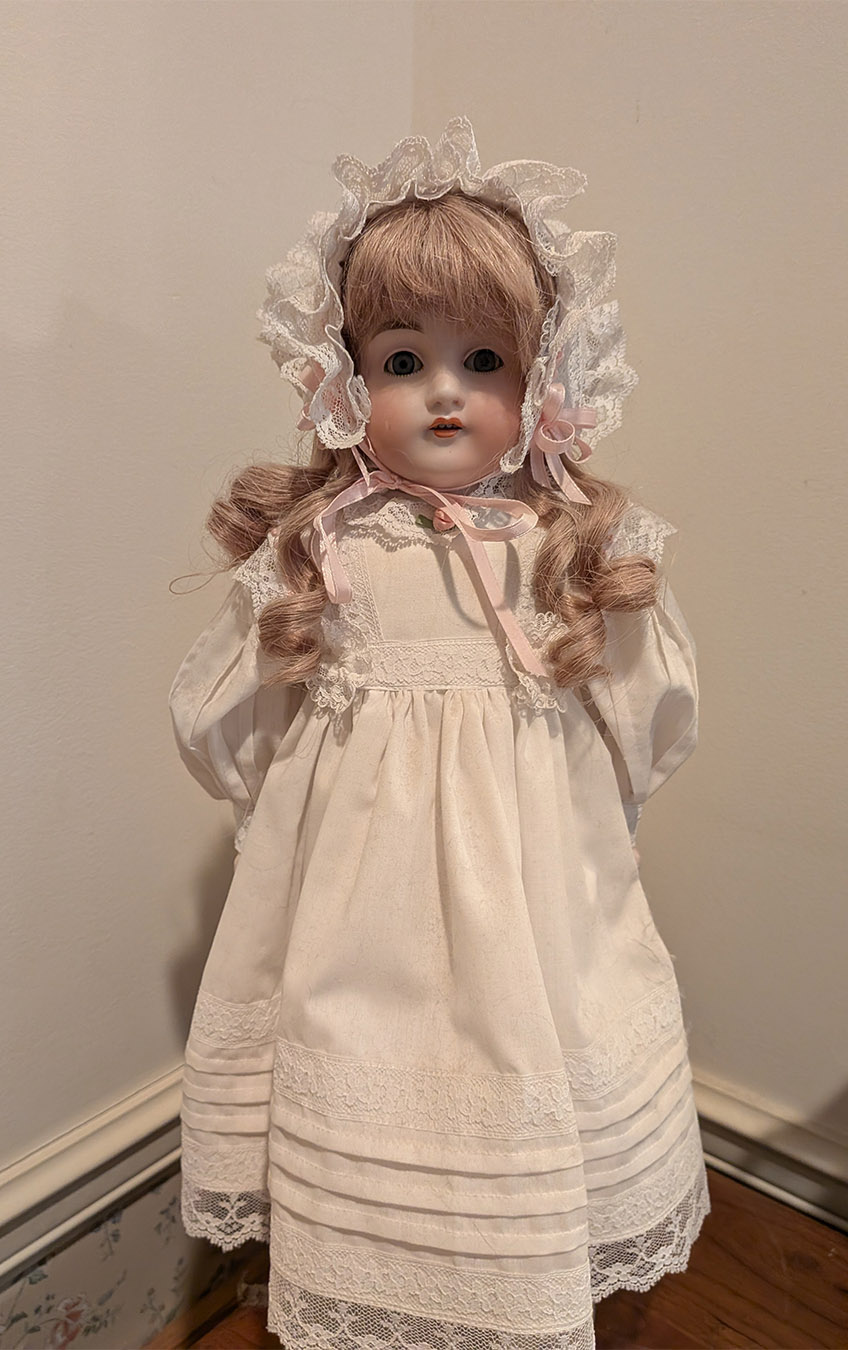
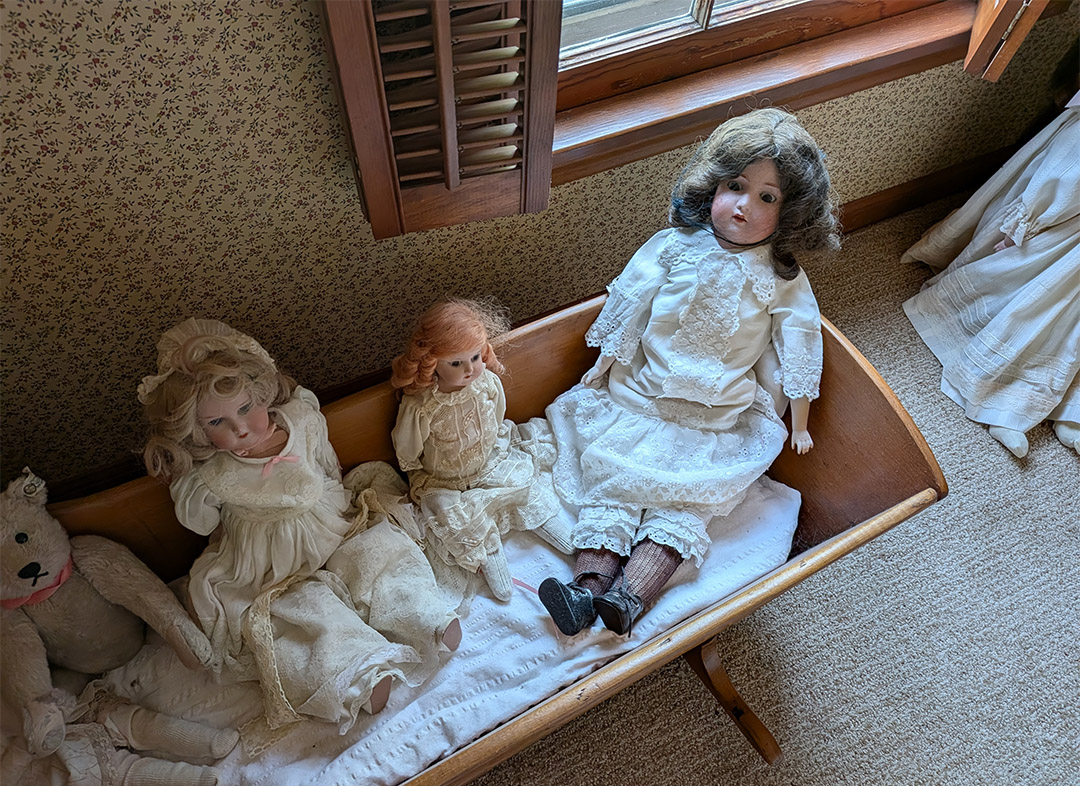
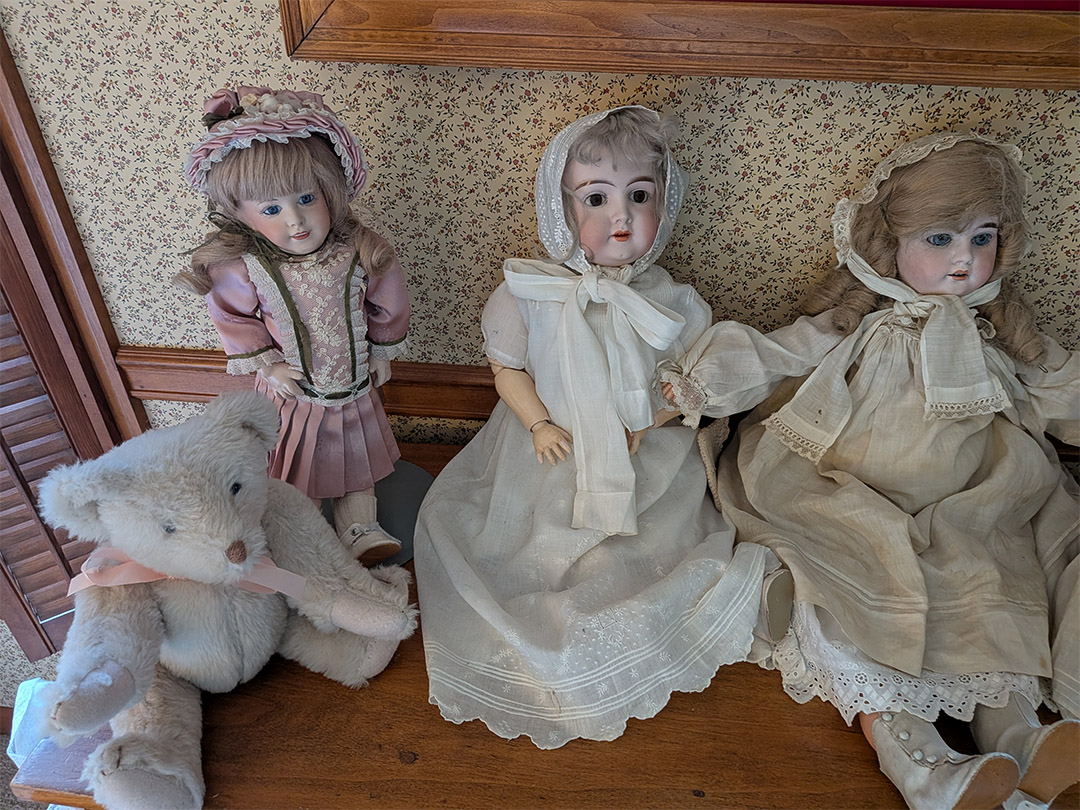
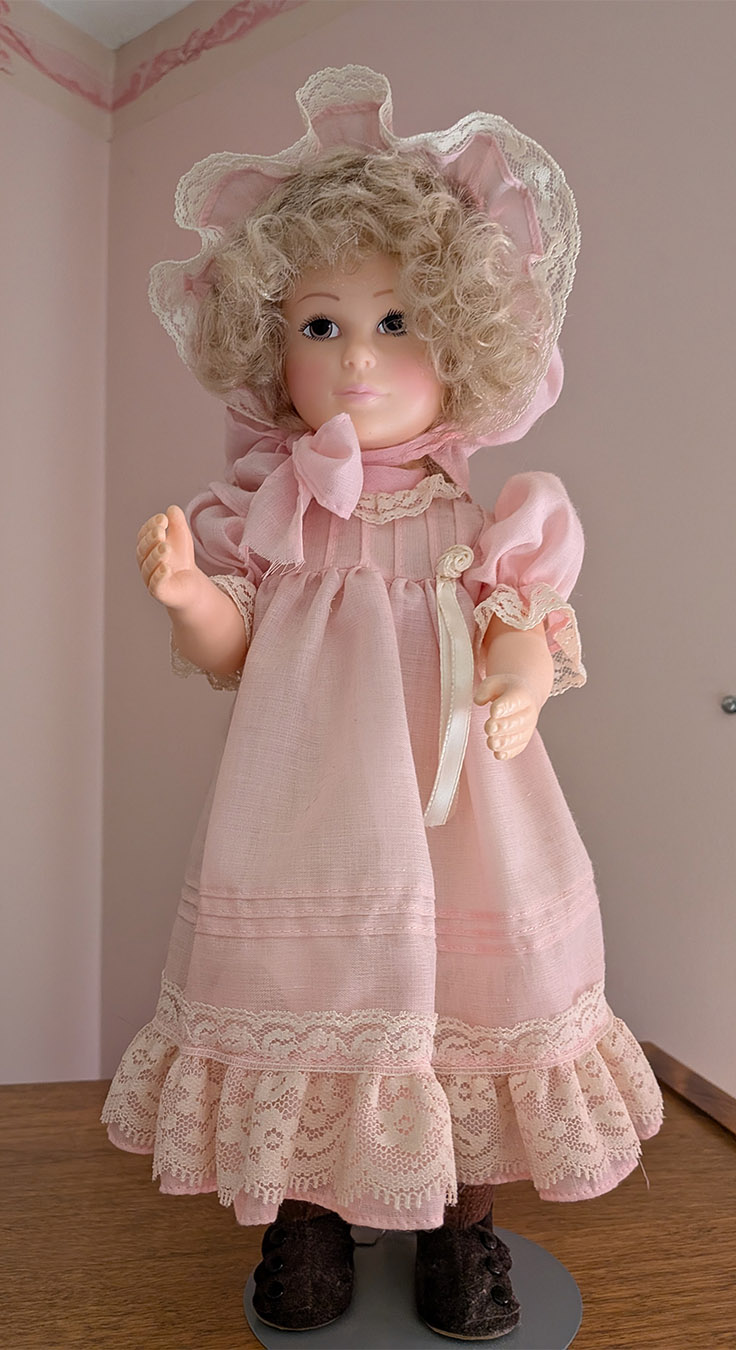
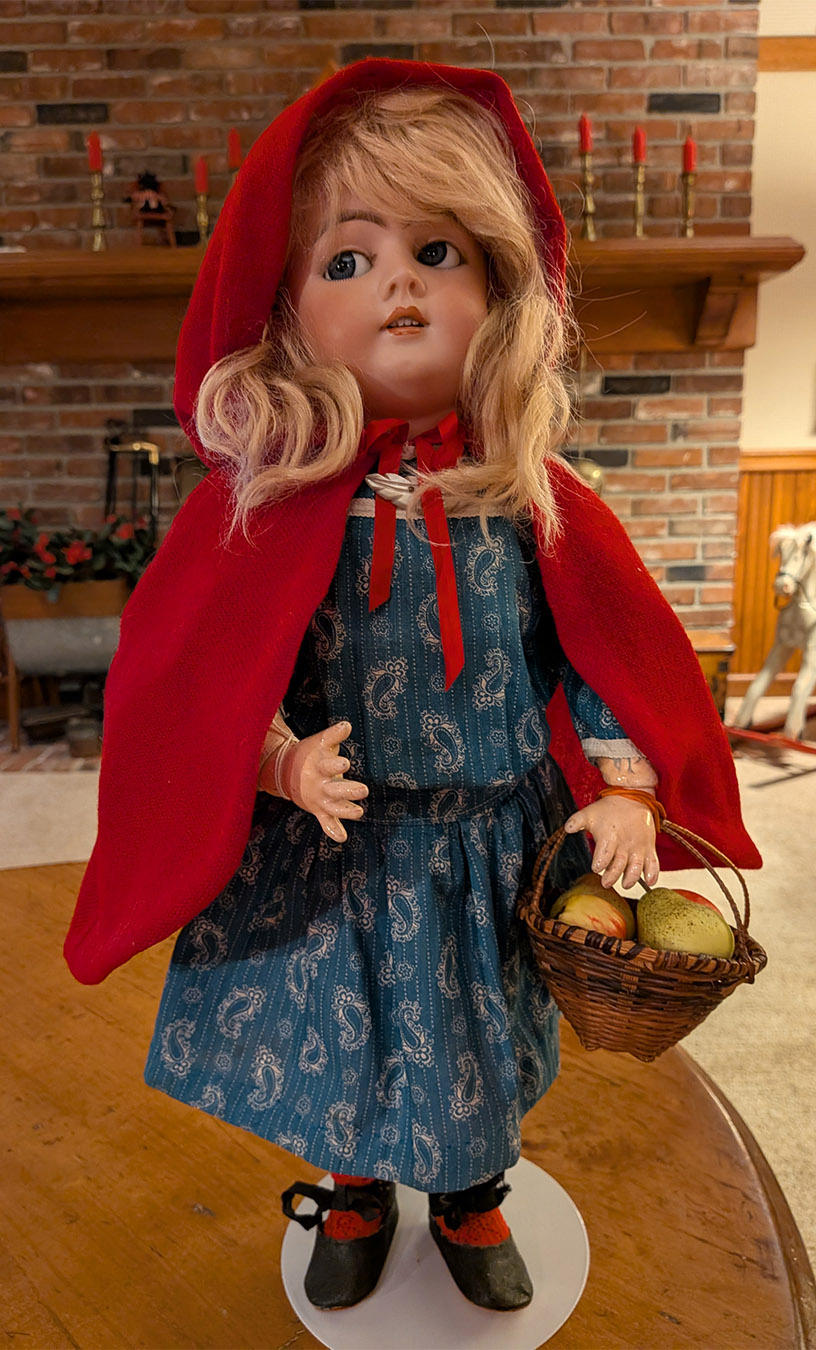
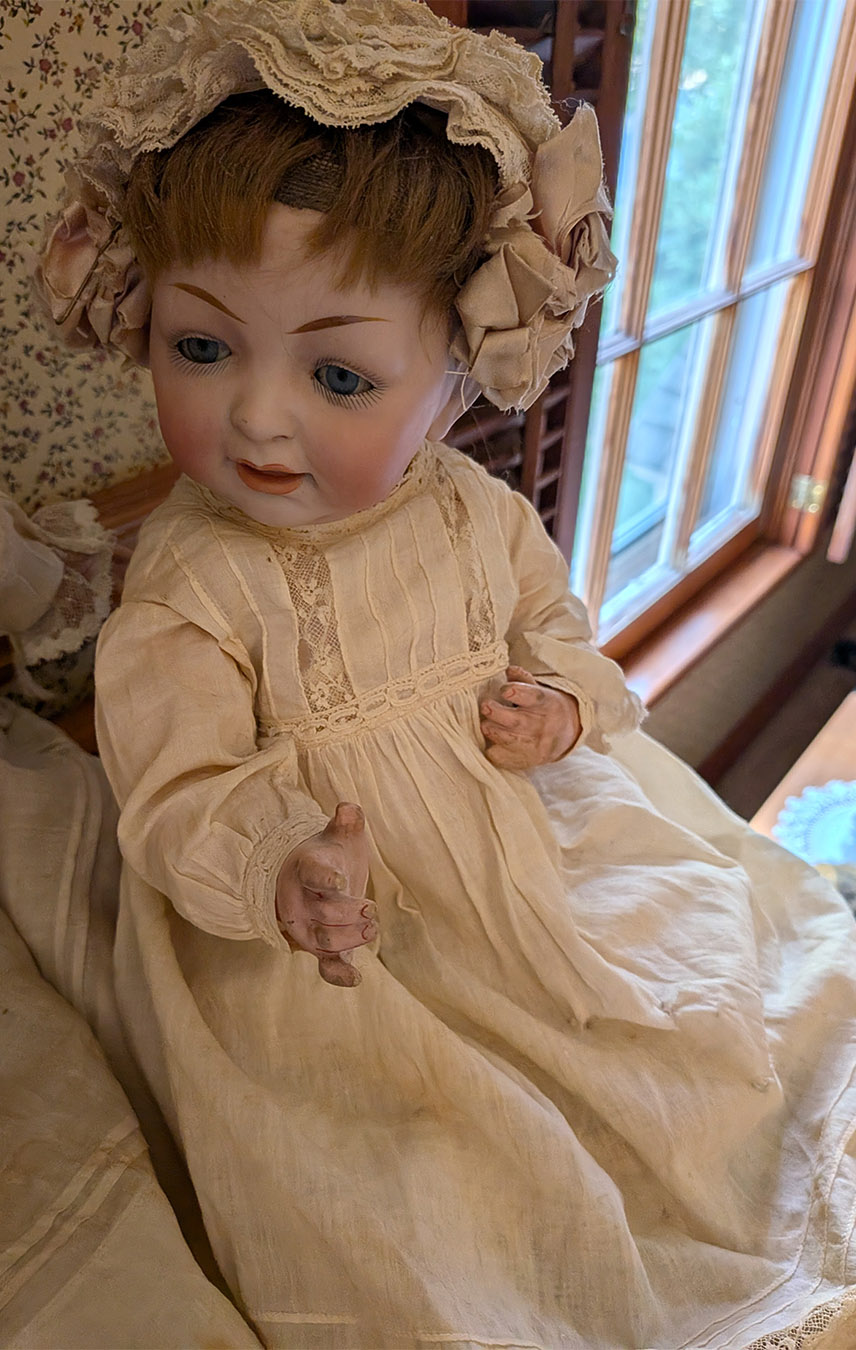
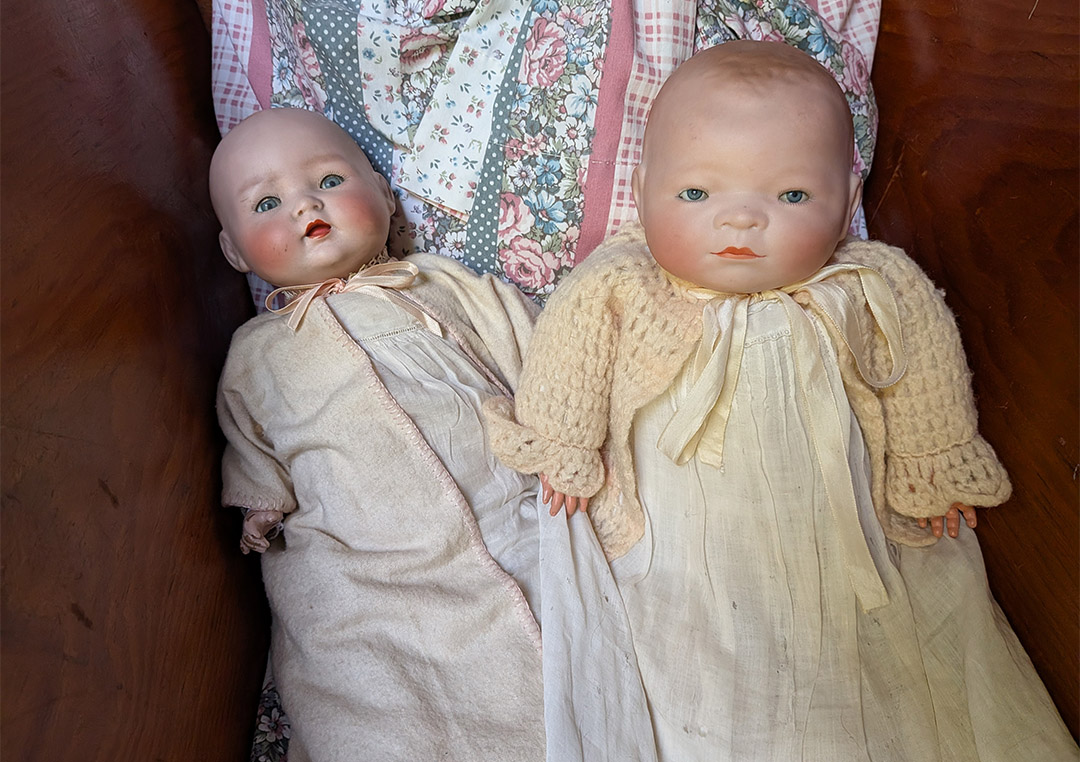
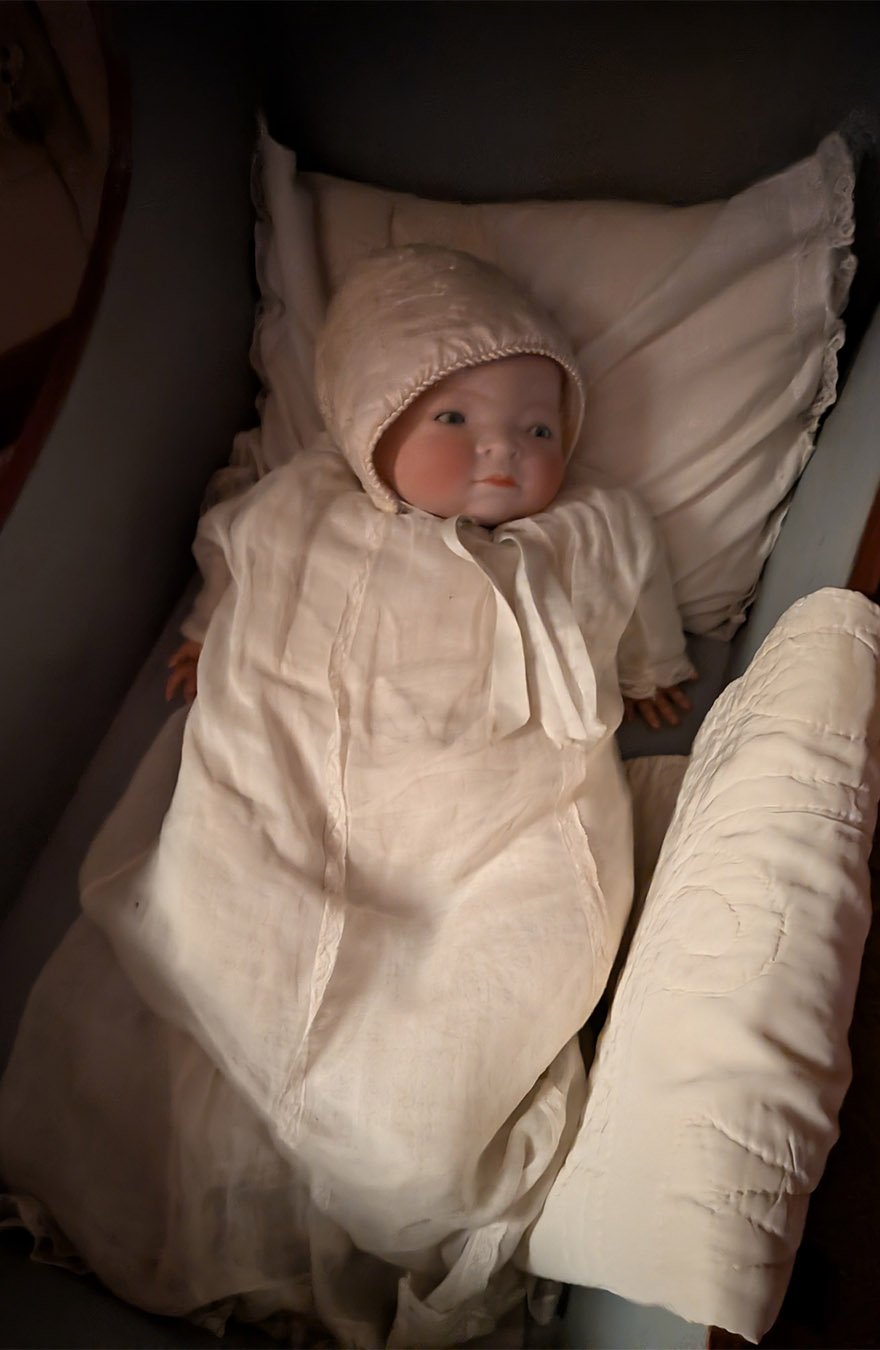
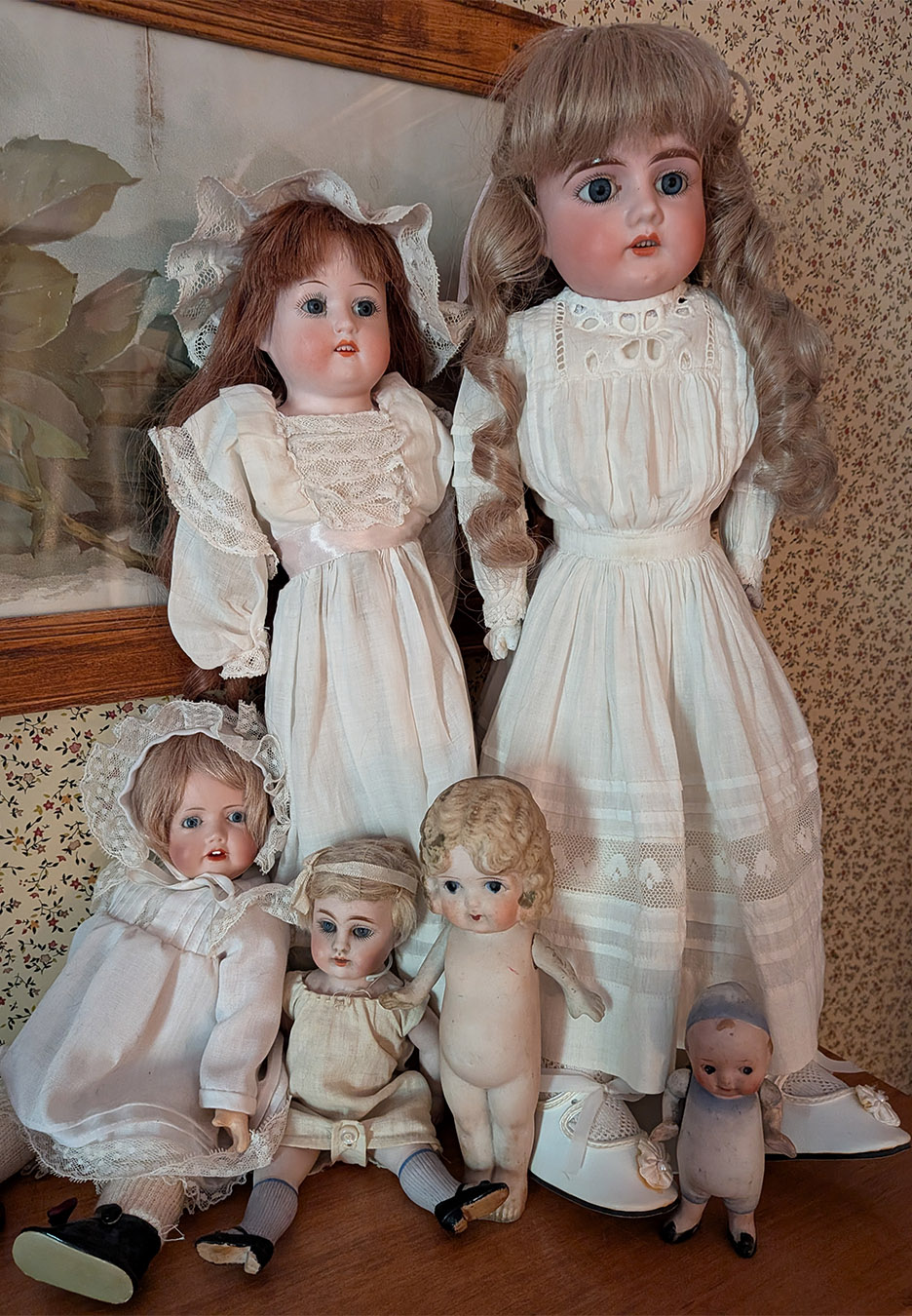
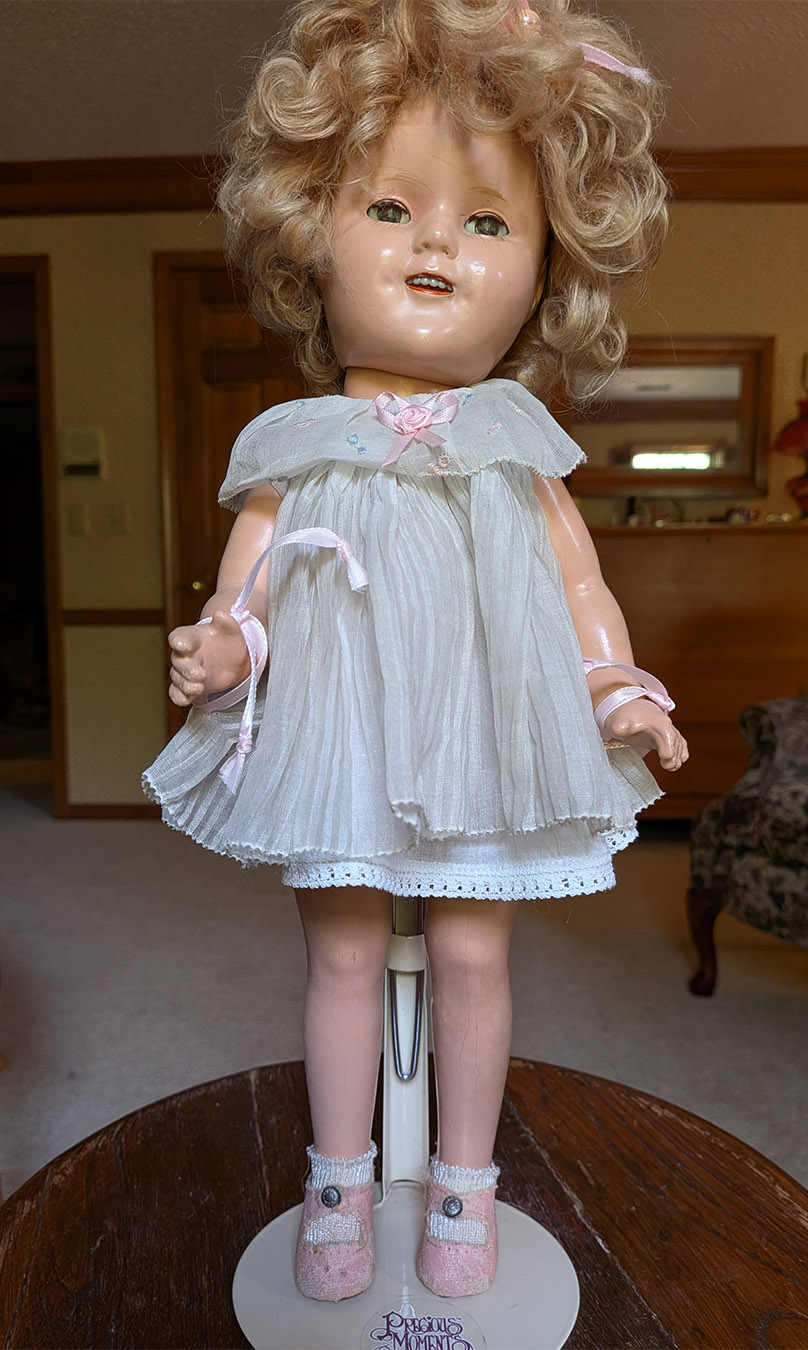
The dolls pictured here illustrate the wonderful variety that makes doll collecting so interesting. There are elegant child dolls dressed in lace-trimmed gowns and bonnets, a baby doll tucked into an old-fashioned white christening-style garment, and a charming storybook doll wearing a bright red cape and carrying a basket. Even when dolls come from different eras or manufacturers, they can be displayed together to create a collection filled with personality.
What Makes a Doll an Antique?
In general, an object is considered antique when it is at least 100 years old. A doll made during the 1800s or early 1900s may therefore qualify as an antique, while a doll made later is more accurately described as vintage or collectible.
Age alone, however, does not determine a doll’s desirability or value. Collectors also consider the maker, materials, condition, rarity, size, clothing, and originality. A later doll with an unusual design or limited production may be more sought after than an older doll that was widely manufactured.
It is also important to recognize that many beautiful dolls were created as reproductions of earlier styles. During the second half of the twentieth century, numerous artists and companies produced porcelain dolls inspired by French and German antique dolls. These dolls can be lovely additions to a collection, but they should be identified accurately rather than automatically described as antiques.
When examining a doll, look for marks on the back of the head, neck, shoulder plate, torso, or lower back. These marks may include a company name, mold number, country of origin, artist’s signature, or production date. They can provide valuable clues, but research is still necessary because molds and markings were sometimes copied.
Bisque and Porcelain Dolls
Bisque dolls are among the most recognizable and widely collected antique dolls. Bisque is unglazed porcelain with a soft, matte surface that allowed dollmakers to create realistic skin tones. Many bisque dolls have finely painted eyebrows and eyelashes, blushed cheeks, small painted lips, glass eyes, and wigs made from mohair or human hair.
Germany and France became especially well known for bisque doll production during the late nineteenth and early twentieth centuries. French dolls were often admired for their elegance and elaborate clothing, while German manufacturers produced an enormous range of dolls in many sizes and price levels.
A bisque doll may have a fully jointed composition body, a kid leather body, or a cloth body. Some dolls have stationary glass eyes, while others have sleep eyes that close when the doll is placed on its back. Open mouths may reveal tiny molded teeth. These details can help identify when and how a doll was made.
Because bisque can crack, chip, or break, collectors should examine the head carefully. Hairlines may be difficult to see without a bright light. Repairs and restoration do not necessarily make a doll undesirable, especially if it is rare, but they can affect its value and should always be disclosed
Baby Dolls and Character Dolls
Baby dolls became increasingly popular as dollmakers moved away from creating only idealized young ladies. Collectors began seeing dolls with rounder faces, chubby cheeks, bent limbs, and more natural expressions. Some appeared happy and playful, while others seemed thoughtful, sleepy, or even mischievous.
An antique or vintage baby doll dressed in a long white gown, bonnet, and soft bedding creates a touching display. Original baby clothing is especially interesting because it often resembles the garments worn by real infants. Fine cotton, linen, tiny buttons, delicate embroidery, lace edging, and hand stitching may all provide clues about age.
Character dolls also introduced more individuality. Instead of presenting the same perfect expression, manufacturers created dolls with recognizable personalities. Storybook dolls, including those dressed as Little Red Riding Hood and other familiar characters, remain popular because they combine doll collecting with literature and childhood memories.
The Importance of Original Clothing
Clothing can be one of the most fascinating parts of an antique doll collection. A doll’s wardrobe may include dresses, capes, aprons, bonnets, stockings, shoes, undergarments, and tiny accessories. These miniature garments reflect the fabrics, colors, trims, and fashion silhouettes of their time.
Original clothing can increase a doll’s historical interest and value, but it is not always easy to identify.
Old fabric may show fading, discoloration, small repairs, or wear around closures and seams. Hand-sewn construction, early snaps, hooks and eyes, tiny buttons, and period-appropriate materials can all be helpful clues.
Collectors should remember that dolls were often redressed by their owners. A genuinely antique doll may be wearing a later outfit, while a newer doll may be dressed in antique fabric. Replacement clothing does not ruin a doll’s appeal. In fact, a well-made period-style costume can give a doll new life. The important thing is to describe the clothing honestly as original, vintage, antique, or reproduction when that information is known.
Beginning an Antique Doll Collection
A doll collection does not need to begin with the rarest or most expensive example. The best place to start is with a doll that speaks to you. You might be drawn to baby dolls, dolls with blue glass eyes, French fashions, German bisque dolls, cloth dolls, storybook characters, miniature dolls, or dolls dressed in white.
Before purchasing, examine the doll carefully and ask questions:
- Is the head marked?
- What materials were used for the head and body?
- Are there cracks, chips, repairs, or replaced parts?
- Are the eyes secure and working properly?
- Is the wig original or replaced?
- Does the clothing appear original to the doll?
- Are the fingers, toes, and joints complete?
- Is there any known history or family provenance?
Buy from knowledgeable dealers who clearly describe condition and restoration. Antique shows are excellent places to learn because shoppers can compare dolls, inspect them in person, and speak directly with sellers. Handling should always be done carefully and only with the dealer’s permission.
Displaying and Caring for Antique Dolls
Dolls should be kept away from strong sunlight, excessive heat, dampness, and rapid changes in temperature. Sunlight can fade clothing, damage wigs, and alter painted surfaces. Humidity may encourage mold or weaken old materials.
Use sturdy doll stands that fit correctly and do not place unnecessary pressure on the waist or clothing. Seated dolls should be supported so they cannot fall. Avoid crowding dolls too closely, especially when bisque heads or hands could strike one another.
Dust displays gently with a soft brush. Never use household cleaners, water, or abrasive products on a doll unless you know they are safe for its materials. Antique fabrics should not be washed casually, as dyes may run and fragile fibers may tear. When repairs are necessary, consult someone experienced in doll conservation rather than using modern glue, tape, or permanent alterations.
A Collection Filled With Stories
Perhaps the greatest pleasure of collecting antique dolls is that no two collections are exactly alike. One collector may concentrate on a particular manufacturer, while another chooses dolls entirely by expression. Some preserve dolls passed down through their families, and others enjoy discovering overlooked treasures at antique shows, auctions, and estate sales.
A doll does not have to be flawless to be meaningful. A worn shoe, faded ribbon, repaired hand, or carefully mended dress may be evidence that the doll was once loved. Those signs of age connect today’s collector to an earlier owner and make the doll part of a continuing story.
Antique and vintage dolls offer beauty, history, craftsmanship, and nostalgia in one remarkable collecting category. Whether displayed in a cabinet, seated in an antique chair, tucked into a cradle, or dressed as a favorite storybook character, they invite us to pause and imagine the lives they have witnessed.
The next time you visit an antique show, take a closer look at the dolls. Study their faces, clothing, construction, and markings. Ask the dealer about their age and history. You may discover that one special doll is waiting to begin—or complete—a collection of your own.