
Small Works of Iron:
The History and Charm of Antique Trivets
Some collections begin with a carefully planned purchase. Others start with one interesting object that catches the collector’s eye. Antique trivets are often collected in just this way. One decorative trivet leads to another, and before long, a single piece has grown into a fascinating display of patterns, symbols, animals, flowers, lettering, and decorative ironwork.
Although trivets were created as practical household tools, many are beautiful enough to be considered small works of art. Their combination of usefulness, history, and design makes them especially appealing to collectors of early kitchenware, cast iron, advertising pieces, and American household antiques.
What Is a Trivet?
A trivet is a small stand placed beneath a hot object to protect the surface below it. The name is traditionally associated with a stand having three feet, although antique trivets were made with many different bases, legs, and shapes.
In earlier homes, trivets were used near fireplaces, cooking stoves, and kitchen work areas. Some supported hot kettles, pots, serving dishes, or sad irons. Others were made specifically to hold a heated flat iron while someone paused between pressing garments.
Before electric irons became common, a heavy iron had to be heated on a wood- or coal-burning stove. The person ironing needed a safe place to set the hot iron without scorching a table or ironing surface. A cast-iron stand provided an ideal solution. It was strong, heat resistant, durable, and relatively inexpensive to manufactur
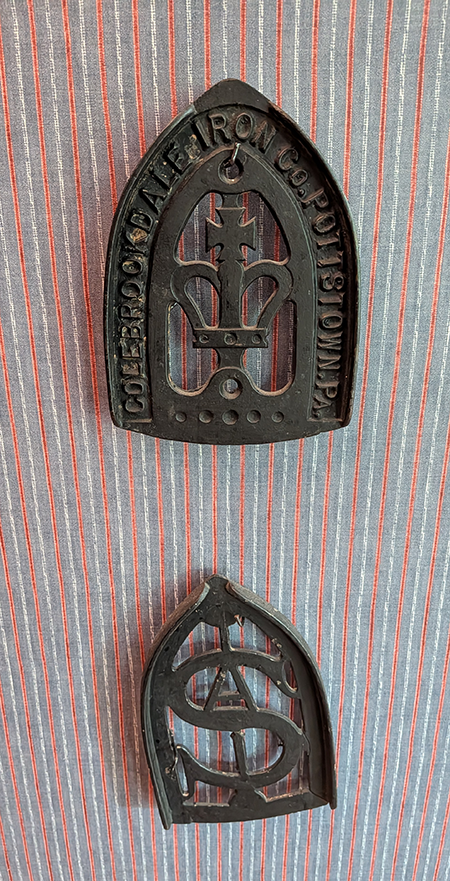
Today, collectors sometimes use the words “trivet” and “sad-iron stand” interchangeably. While there can be differences in their original purposes, both types have become popular collectibles.
The Meaning Behind the “Sad Iron”
The name “sad iron” does not refer to unhappiness. In older English usage, the word “sad” could mean solid, heavy, or dense. These irons were certainly heavy. Many were made from a solid piece of cast iron and had to be repeatedly reheated during use.
A household might own several irons so that one could be used while the others heated on the stove. As the iron cooled, it was returned to the heat and replaced with a hot one. This demanding process made the trivet or iron stand an essential household tool.
Every time we see an antique iron trivet, we are reminded that even ordinary chores once required considerable strength, patience, and planning.
An Amazing Variety of Designs
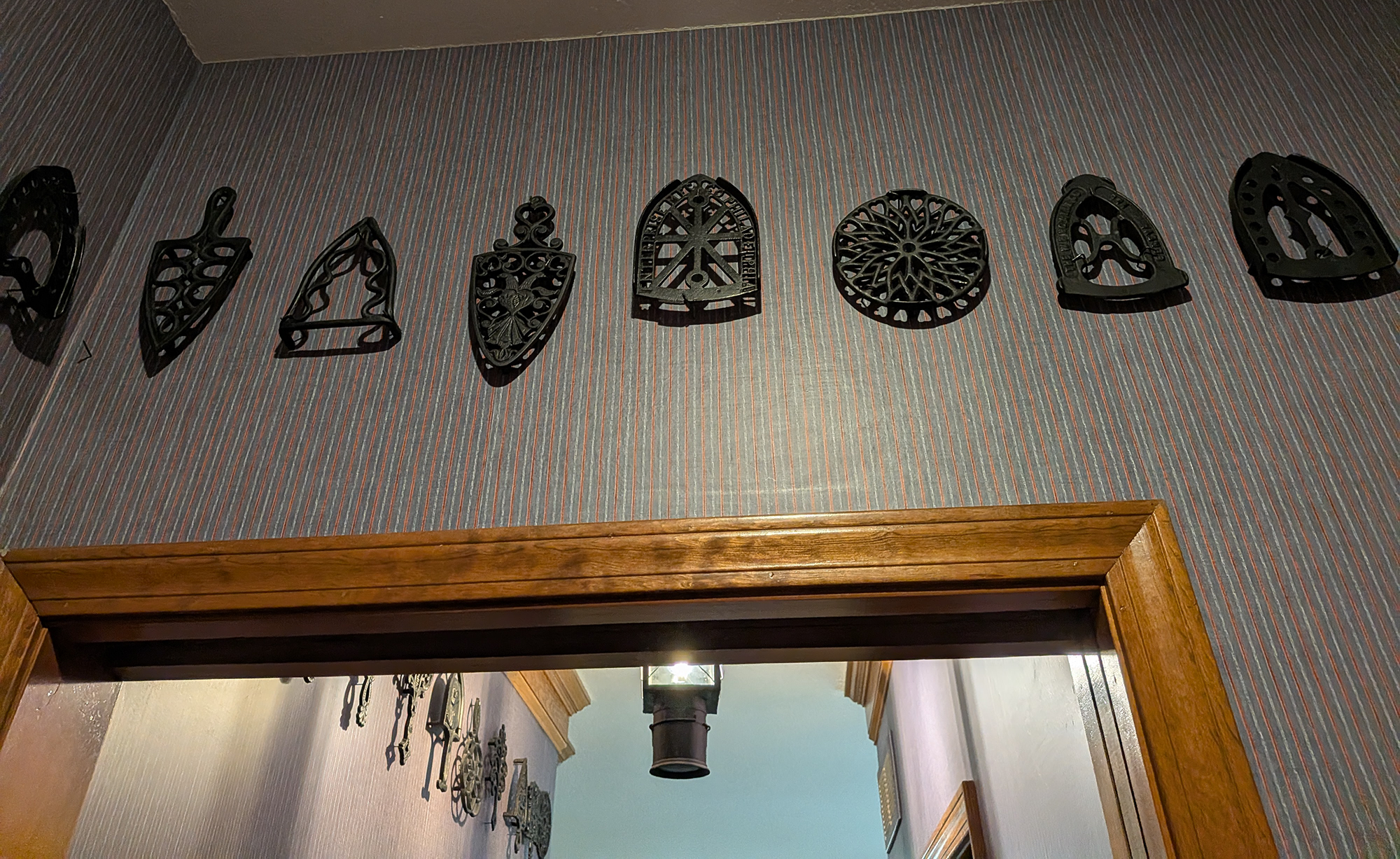
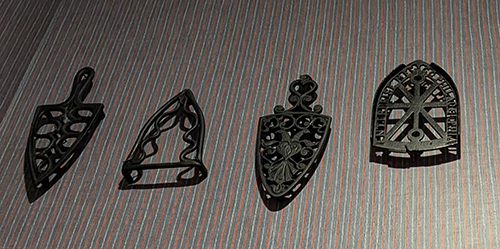
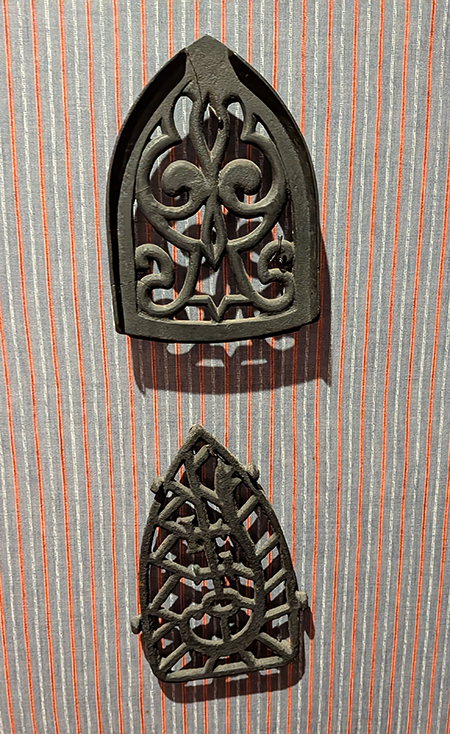
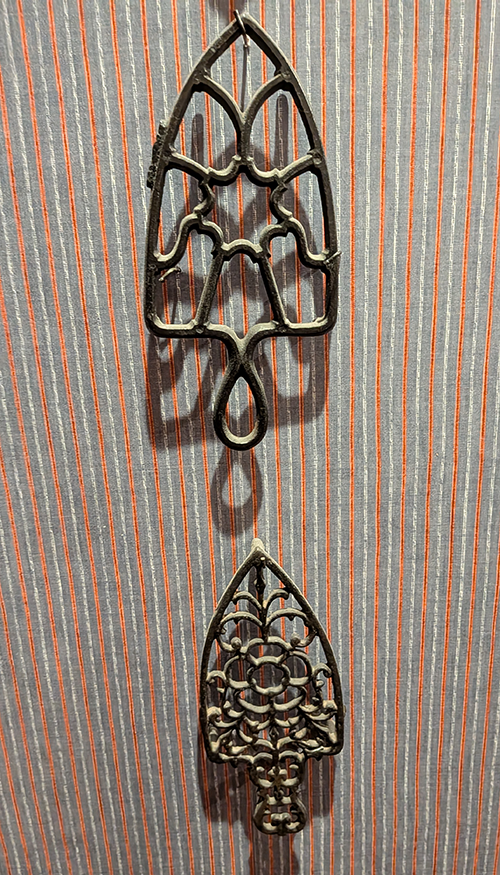
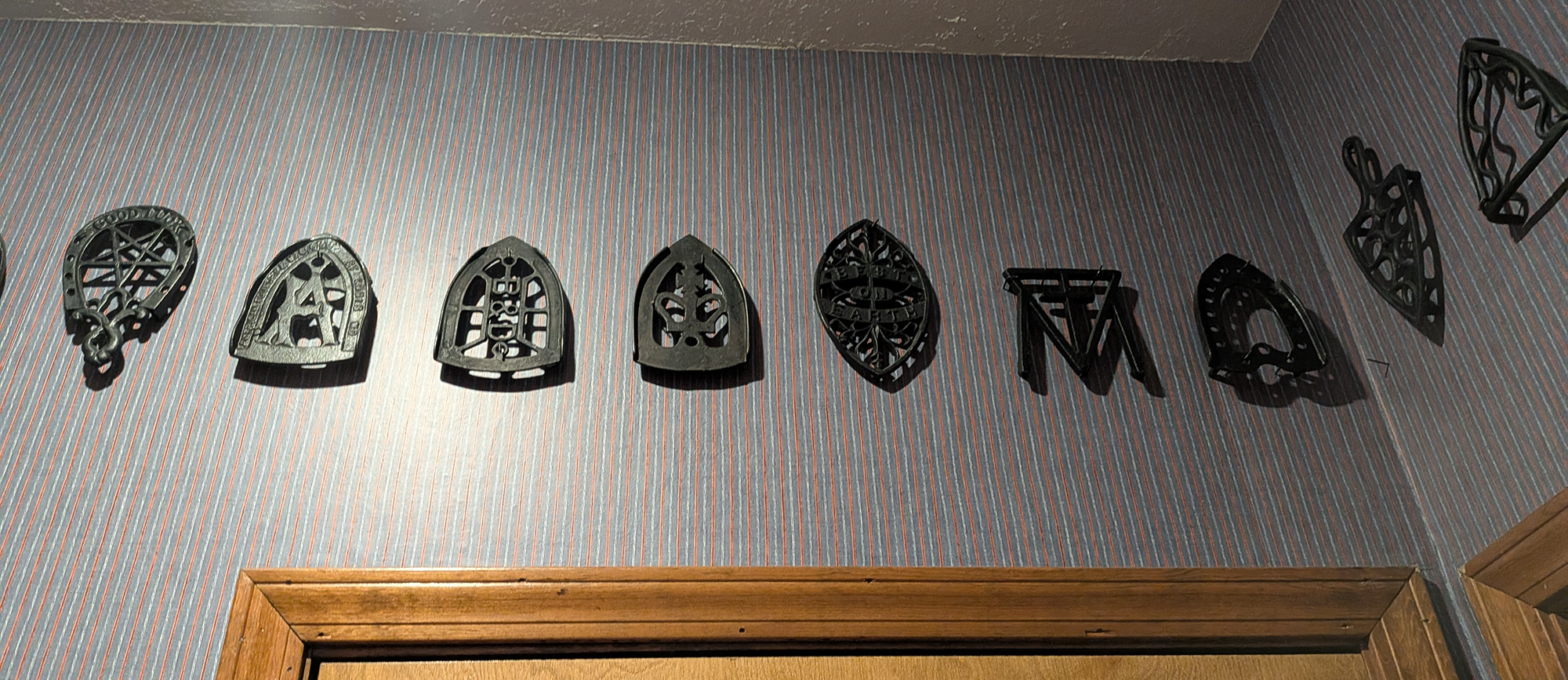
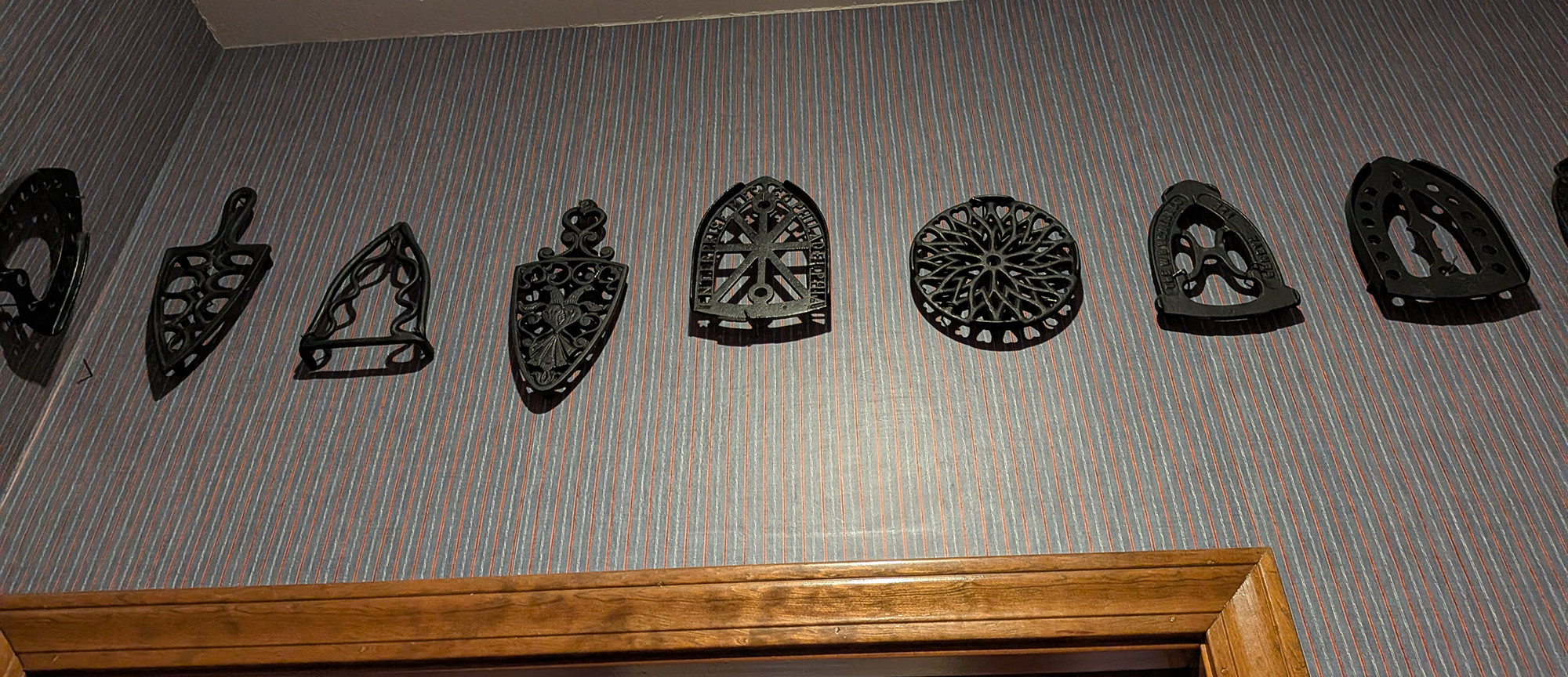
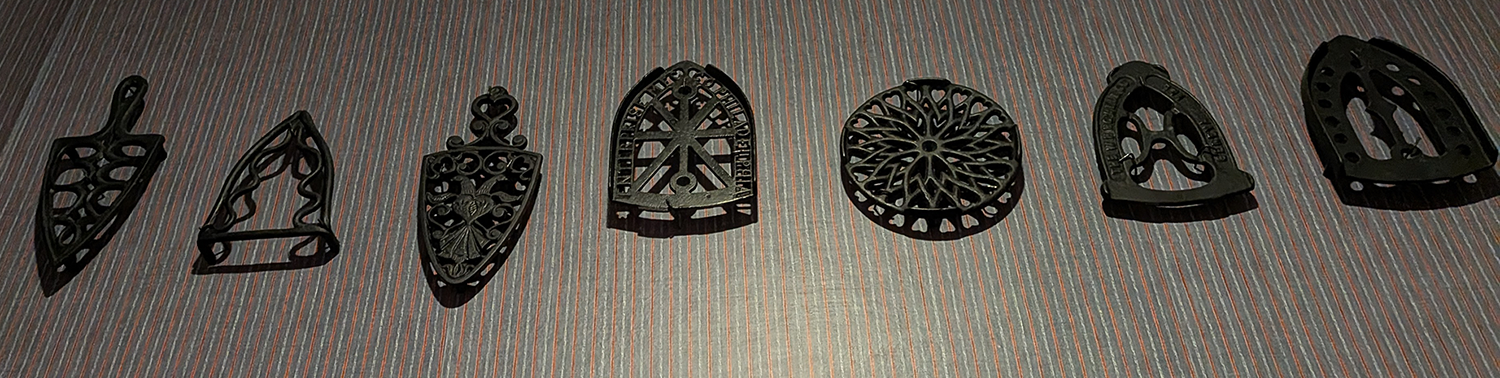
One of the most enjoyable parts of collecting antique trivets is discovering how many different designs were produced. The examples shown in this collection include the familiar pointed outline that resembles the base of an old-fashioned flat iron. This shape immediately connects the object to its original purpose.
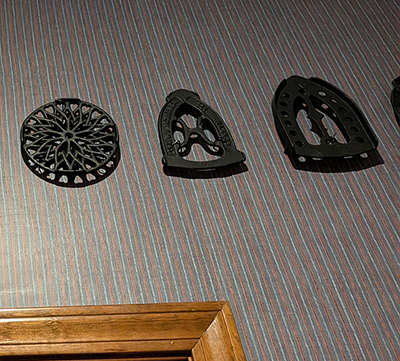
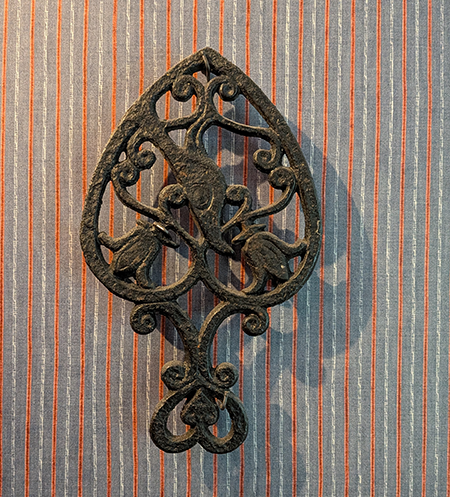
Within that basic outline, however, designers used their imaginations. Some trivets feature simple bars, grids, waves, or open geometric patterns. Others contain elaborate scrollwork, leaves, flowers, birds, animals, crowns, monograms, or symbols.
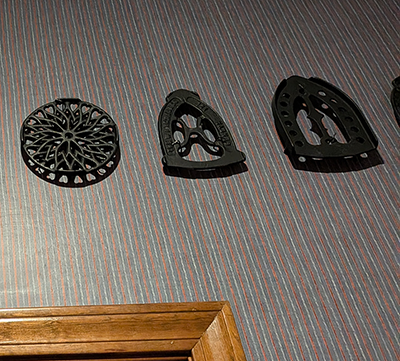
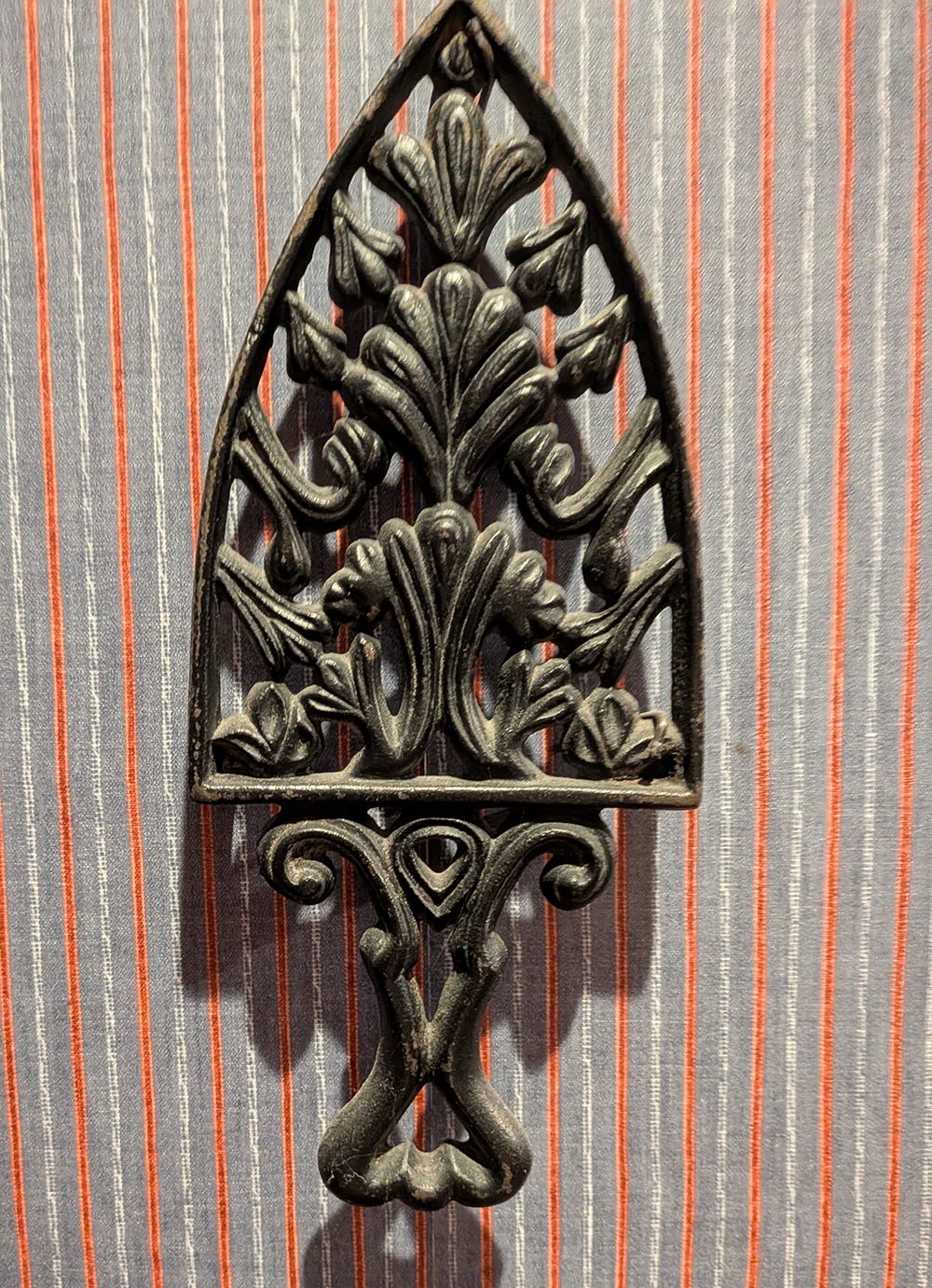
Several pieces in this collection display especially detailed openwork. One features graceful floral designs that fill nearly the entire surface. Another includes birds surrounded by flowing scrolls. A crown appears prominently on one example, while other trivets contain letters or decorative emblems. Round examples add still more variety to the display, including radiating patterns that resemble flowers, wheels, or sunbursts.
The open spaces were not merely decorative. They also reduced the amount of iron needed and allowed air to circulate around a hot object. This is a wonderful example of function and design working together.
Advertising and Lettered Trivets
Some antique trivets were used as advertising pieces. A manufacturer, stove company, foundry, or local business could place its name or slogan directly into the iron design. These pieces served a useful purpose in the home while keeping the company’s name in front of the customer.
Advertising trivets are particularly interesting because they may contain names, locations, dates, patent information, or product references. Even when the lettering is worn, it may provide clues about a trivet’s age and origin.
Collectors should examine both sides of every trivet carefully. A maker’s name, number, patent date, or foundry mark may be hidden on the back. These markings can help identify the manufacturer and may reveal a surprising connection to regional or industrial histor
Why Collect Antique Trivets?
Antique trivets make a wonderful collection because each example is different, yet the pieces still look attractive when grouped together. They are generally small enough to display without requiring a large cabinet, and their dark iron surfaces create strong silhouettes against a lighter wall.
A collection can be organized in many ways. Some people collect only iron-shaped trivets, while others search for animals, flowers, advertising, unusual symbols, or examples from particular manufacturers. A collector might focus on early pieces with primitive designs or choose highly decorative examples from the Victorian era and later years.
Trivets also appeal to collectors because they connect with several collecting categories, including:
- Antique kitchenware
- Cast-iron objects
- Sad irons and laundry tools
- Advertising memorabilia
- Folk art
- Stove and fireplace accessories
- Industrial history
- Decorative household antiques
Their range of designs means that two collections will rarely look exactly alike.
Looking for Age and Authenticity
Determining the exact age of an antique trivet can be challenging. A dark surface or a little rust does not automatically prove that a piece is old. Cast-iron reproductions have been made for decorative use, and some were created from earlier patterns.
When examining a trivet, look at the overall quality of the casting. Older examples may show signs of hand finishing, natural wear, casting seams, small imperfections, and surfaces that have changed gradually through years of use. Wear should appear in places that make sense, especially on the feet, raised edges, and areas that came into contact with a hot iron.
Study any lettering carefully. Clear maker’s marks, patent information, and company names can assist with research. Comparing a piece with examples in reference books, museum collections, auction archives, and trusted antique dealers can also be helpful.
Condition affects value, but collectors should not dismiss every imperfect piece. Light oxidation, worn edges, and an aged surface can be part of an antique trivet’s character. However, major cracks, missing feet, repairs, or severe corrosion may affect both stability and value.
Caring for Cast-Iron Trivets
Antique cast iron should be treated gently. Avoid soaking a trivet in water or using harsh chemicals that could damage its original surface. Dust can usually be removed with a soft, dry brush or cloth.
If a piece has active rust or heavy buildup, consult someone experienced in caring for antique metal before attempting a major cleaning. Aggressive wire brushing, grinding, sandblasting, or repainting can remove original surfaces and reduce historical interest.
When displaying trivets on a wall, use secure supports that can hold their weight. Avoid placing delicate hooks through weak or cracked sections of the openwork. Protective pads may also prevent the iron from scratching painted walls or woodwork.
Turning a Collection into Wall Art
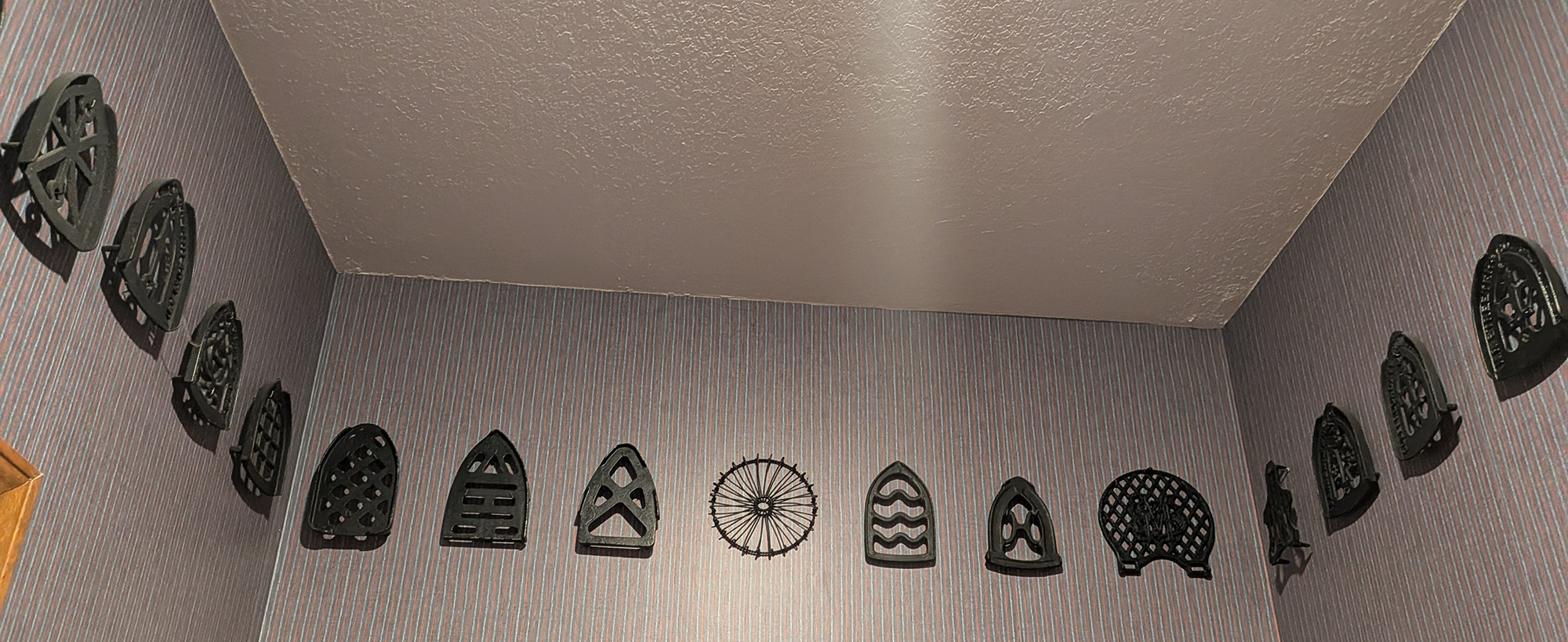
The collection pictured here shows how successfully antique trivets can be displayed as a group. Mounted around the upper portion of a room, the pieces form a continuous decorative border. Their different shapes keep the arrangement interesting, while the repeated dark cast iron creates a unified appearance.
This style of display allows each trivet to be appreciated individually. At the same time, the collection tells a larger story about domestic work, changing technology, manufacturing, and artistic design.
A smaller collection can be arranged above a doorway, along a kitchen wall, or in a grid inside a large frame. Leaving space around each piece helps the detailed openwork stand out. A plain or subtly patterned background provides contrast without competing with the collection.
Preserving the Beauty of Everyday History
Antique trivets are reminders that useful objects do not have to be plain. The people who designed and manufactured them transformed simple household necessities into objects filled with flowers, animals, scrolls, symbols, and personal touches.
Once used to hold hot irons and protect household surfaces, these durable pieces now preserve stories from kitchens, laundries, foundries, and family homes. They reflect both the hard work of daily life and the human desire to bring beauty into ordinary tasks.
That may be the greatest pleasure of collecting antique trivets. Each one is compact, useful, decorative, and connected to the past. Displayed alone, a trivet is an interesting piece of household history. Displayed as a collection, these small works of iron become an impressive record of craftsmanship, creativity, and everyday American life.